
A neglected yard can often become difficult to manage when overgrown vegetation, compacted soil, poor drainage, damaged surfaces, and outdated planting areas begin affecting the entire property. Professional Landscaping Service in Seattle, WA can help turn an unmanaged outdoor space into a more functional landscape by addressing the underlying conditions in a logical order. A successful improvement usually starts with assessment and clearing before moving into design, installation, and ongoing maintenance.
Step 1: Assess the Yard Before Any Major Changes
The first step is determining what can remain, what needs removal, and what requires repair. A neglected outdoor space may contain healthy mature trees, established shrubs, usable lawn areas, damaged hardscaping, invasive growth, or drainage problems that are not immediately obvious.
A professional assessment can consider:
- Existing plants worth preserving
- Areas with standing water or erosion
- Damaged walkways, patios, or edging
- Soil condition and grading
- Sun and shade patterns
- Access for landscaping equipment
This assessment creates a practical starting point and reduces the risk of removing features that could have been incorporated into the improved design.
Step 2: Clear Overgrowth Without Removing Useful Features
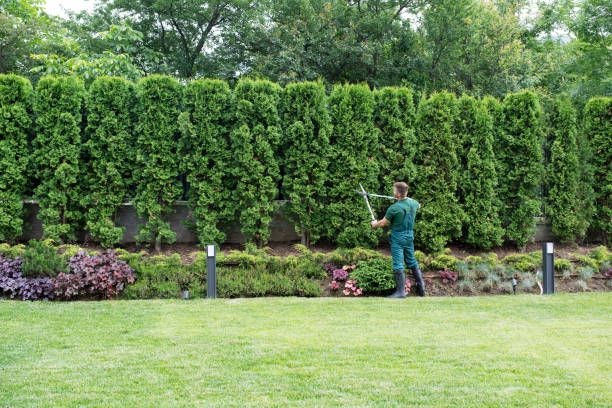
Heavy weeds, tangled shrubs, fallen branches, and uncontrolled groundcover can make a property appear smaller and more difficult to use. Clearing the area creates room for a new landscape plan, but selective removal matters.
Vegetation should be evaluated before removal, particularly when mature trees or established ornamental plants are present. A professional crew can identify areas that need pruning, trimming, relocation, or complete removal based on the condition and intended use of the space.
For properties that primarily need extensive cleanup before redesign, garden cleanup Seattle, WA can be part of the initial improvement process.
Step 3: Correct Drainage and Soil Problems Early
A new landscape can struggle if water consistently collects in planting beds or lawn areas. Seattle properties can encounter wet conditions, runoff, compacted soil, and drainage challenges that affect plant health and outdoor usability.
Before new plants or lawn materials are installed, the landscape should be evaluated for grading and water movement. Soil may also require improvement if it has become heavily compacted or depleted after years of limited care.
Addressing these conditions early helps prevent new landscaping from being placed over problems that could later damage plants, create muddy areas, or interfere with walkways.
Step 4: Establish a Practical Layout for the Space
Once the property has been cleared and problem areas identified, the next decision involves how the outdoor space should function. A neglected yard does not necessarily need to be completely redesigned. In many cases, a few well-planned changes can make the property considerably more usable.
The layout can account for lawn areas, planting beds, seating zones, pathways, privacy needs, and access around the home. A landscape professional can also help coordinate materials and plant selections so that the finished space fits the property's existing features.
For homeowners considering a broader redesign, Economy Landscaping can be contacted during this planning stage to discuss the scope and practical requirements of the project.
Step 5: Select Plants That Fit the Property
Plant selection should reflect actual site conditions rather than appearance alone. Sun exposure, available moisture, soil characteristics, mature plant size, and seasonal maintenance requirements all affect whether a plant will work well in a particular location.
A balanced planting plan may combine shrubs, perennials, groundcovers, ornamental grasses, and other suitable landscape plants. Spacing also deserves attention. Plants placed too close together can quickly create another overgrown area, while excessive spacing may leave beds looking unfinished.
For properties needing recurring lawn attention as part of the overall improvement, lawn care Seattle, WA can complement the broader landscape work.
Step 6: Rebuild Hardscape and Outdoor Use Areas
Neglected outdoor spaces often contain cracked paths, worn patios, unstable edging, or underused areas that no longer serve the household. Once the landscape layout is established, these features can be repaired, replaced, or incorporated into the updated plan.
A patio or walkway should have an appropriate location and practical relationship to doors, gates, lawn areas, and planting beds. Drainage should also be considered around hard surfaces so that improvements do not create new water problems.
Where a property needs a defined entertaining or seating area, patio installation Seattle, WA may be incorporated into the landscaping plan as part of a larger outdoor renovation.
Step 7: Finish With a Manageable Maintenance Plan
The final stage is making sure the improved landscape remains manageable after installation. A yard can quickly return to an unkempt condition when pruning, mowing, weeding, seasonal cleanup, and other routine tasks are overlooked.
Maintenance requirements should be considered when choosing plants, lawn areas, mulch, and other materials. A property with limited maintenance capacity may benefit from a simpler design with fewer high-maintenance features.
A professional landscaping plan can also identify seasonal tasks and areas that need regular attention. This keeps the newly improved space aligned with the property's long-term needs rather than treating the project as a one-time cleanup.
Organize the Next Stage of the Outdoor Space
A neglected yard does not need to be addressed all at once. An assessment can identify which improvements should happen first and which can be completed later. Clearing overgrowth, correcting drainage, refining the layout, selecting suitable plants, improving hardscaping, and establishing maintenance requirements can create a clear sequence for the work.
For landscaping assistance in Seattle, project inquiries can be made by phone at (206) 676-2045 or by email at [email protected]. Providing property details, the current condition of the outdoor space, and the desired improvements can help establish an appropriate starting point.
Questions About Restoring a Neglected Outdoor Space
Can an overgrown yard be improved without removing everything?
Yes. Healthy trees, established shrubs, functional hardscaping, and other useful features can often be retained when they fit the planned design.
Should drainage be addressed before planting?
Drainage concerns are generally best evaluated before new plants, lawn areas, or other landscape features are installed. Existing water problems can affect new landscaping.
Can landscaping include both plants and hardscaping?
Yes. A landscaping project can combine planting areas with features such as patios, pathways, edging, and other outdoor surfaces when the property layout supports them.
How can a neglected yard become easier to maintain?
A simpler layout, appropriate plant selection, practical spacing, defined lawn areas, and a consistent maintenance schedule can reduce ongoing management demands.
Is a complete yard redesign always necessary?
No. Some properties can benefit from targeted improvements such as cleanup, pruning, bed renovation, drainage correction, or replacement of damaged landscape features.
What should be considered before landscaping begins?
Property access, existing vegetation, drainage, soil conditions, sunlight, desired outdoor uses, hardscape requirements, and long-term maintenance needs should all be considered before work begins.